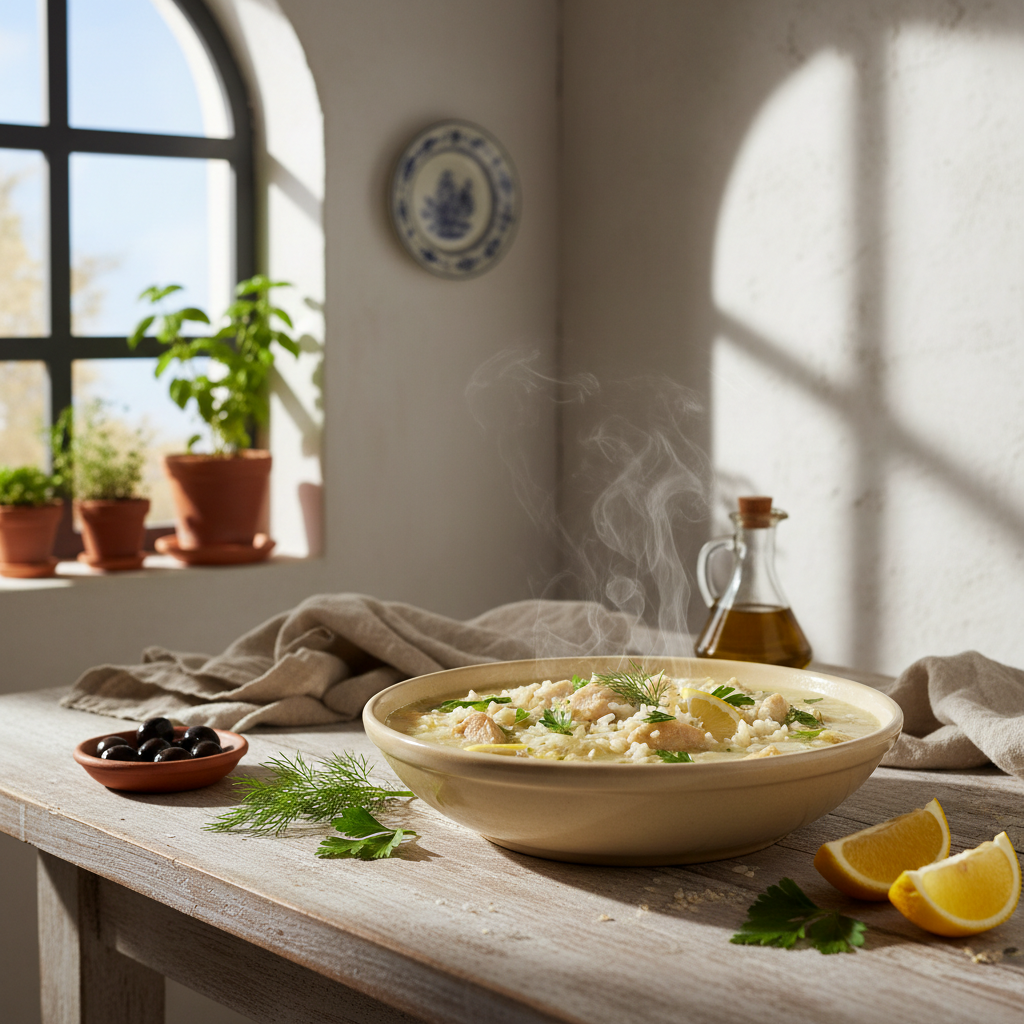

There are few combinations as comforting as chicken and rice, but when you introduce the bright, zesty flavors of the Mediterranean, this staple transforms into something truly special. Greek chicken lemon rice brings together the savory depth of roasted poultry with the sharp, aromatic kick of fresh lemon and oregano.
This dish is heavily inspired by the classic Greek flavor profile known as avgolemono—a mixture of egg and lemon broth often used in soups. While this version skips the egg for a simpler, lighter approach, it retains that signature tangy richness. Whether you are looking for a reliable weeknight dinner or a meal prep option that tastes better the next day, this one-pot wonder delivers maximum flavor with minimal cleanup.
Why This Dish Works
The magic of Greek chicken lemon rice lies in the cooking method. By preparing everything in a single vessel—typically a Dutch oven or a deep skillet—you create a closed flavor loop.
As the chicken roasts on top of the rice, its juices drip down, infusing the grains with rich fat and savory collagen that water or boxed stock simply can’t replicate. Simultaneously, the rice steams the chicken from below, keeping the meat incredibly moist. This symbiotic cooking process ensures that every bite is seasoned perfectly, from the crispy skin of the chicken to the fluffy, lemon-soaked grain of rice at the bottom of the pot.
Essential Ingredients for Authentic Flavor
To achieve that distinct Greek taste, you need to focus on quality aromatics. Here is what you need to build the foundation of the dish.
The Chicken
For the best results, opt for bone-in, skin-on chicken thighs. The bone helps the meat regulate temperature, preventing it from drying out during the bake, while the skin renders fat that flavors the rice. If you prefer chicken breasts, keep in mind they cook faster and are prone to drying out; you may need to add them later in the cooking process or remove them earlier than thighs.
The Rice
Long-grain white rice, such as Basmati or Jasmine, works best here. Short-grain rice can become too sticky or risotto-like (which is delicious, but not the texture we are aiming for here). The goal is fluffy, distinct grains that have absorbed the broth without turning into mush.
The “Greek Trinity”
Three ingredients are non-negotiable for that authentic flavor profile:
- Fresh Lemon: You will need both the juice and the zest. Bottled lemon juice lacks the fragrant oils found in the peel, which are essential for lifting the savory notes of the dish.
- Oregano: Dried oregano is actually preferred over fresh for the marinade, as it has a more concentrated, earthy flavor that stands up to heat.
- Garlic: Fresh minced garlic creates a pungent base that mellows out into sweetness as it roasts.
Step-by-Step: Mastering the Technique
While this is a “dump-and-bake” style meal, a few specific steps will ensure your texture is perfect and your flavors are well-developed.
1. Marinate and Sear
Don’t just season the chicken right before cooking. Marinating the thighs in olive oil, lemon juice, garlic, and oregano for at least 20 minutes allows the acid to tenderize the meat.
Once marinated, sear the chicken skin-side down in your pot. You aren’t trying to cook it through yet; you just want to render the fat and create a golden, crispy skin. This step is crucial for texture—nobody likes flabby chicken skin.
2. Toast the Rice
Remove the chicken and use the leftover rendered fat to sauté your onions and garlic. Then, add the dry rice directly to the oil. Toasting the grains for a minute or two creates a protective nutty shell around them, which helps the rice keep its structure and prevents it from becoming gummy when liquid is added.
3. The Bake
Add your chicken broth and lemon juice to the pot. A standard ratio is usually 1.5 cups of liquid to 1 cup of rice, but check your specific rice package instructions. Nestle the seared chicken back on top of the rice mixture. Cover the pot with a tight-fitting lid or foil and bake.
The oven provides gentle, even heat that cooks the rice and chicken uniformly. Unlike stovetop cooking, which can burn the bottom layer of rice, the oven method ensures fluffiness throughout.
Food Safety and Doneness
When cooking poultry, safety is paramount. According to the USDA, all poultry—including breasts, thighs, and wings—must be cooked to a minimum internal temperature of 165°F (73.9°C).
Visual cues like clear juices are helpful, but a meat thermometer is the only way to be 100% sure. Insert the probe into the thickest part of the thigh, avoiding the bone. If you are reheating leftovers, ensure they also reach this safe temperature to kill any potential bacteria.
Common Mistakes to Avoid
Even with a simple recipe, things can go wrong. Watch out for these pitfalls:
- Skipping the rinse: Always rinse your rice under cold water until it runs clear. This removes excess surface starch, which is the main culprit behind gloopy, sticky rice.
- Peeking at the pot: Resist the urge to lift the lid during baking. The steam trapped inside is what cooks the rice. Releasing it can result in crunchy, undercooked grains.
- Using too much liquid: Lemon juice counts as liquid! If your recipe calls for 2 cups of liquid and you add ½ cup of lemon juice, make sure you reduce the broth by that same amount.
Serving Suggestions
This dish is a complete meal on its own, but a few fresh sides can cut through the richness.
- Greek Salad (Horiatiki): Chunky cucumbers, tomatoes, Kalamata olives, and block feta cheese dressed in olive oil.
- Tzatziki: A cool yogurt and cucumber dip is perfect for dolloping onto the hot chicken.
- Roasted Vegetables: If you have room in the oven, a tray of roasted zucchini or eggplant pairs beautifully.
Frequently Asked Questions
Can I use brown rice?
Yes, but you will need to adjust the liquid and time. Brown rice typically requires more liquid (about ¼ to ½ cup more per cup of rice) and a longer cooking time (about 45–50 minutes). You may need to cover the chicken with foil halfway through to prevent the skin from burning during the longer bake.
How long does this last in the fridge?
Stored in an airtight container, Greek chicken lemon rice will last for 3–4 days in the refrigerator.
Can I freeze this dish?
Chicken freezes very well, but rice can change texture upon thawing, sometimes becoming crumbly or dry. It is best eaten fresh or from the fridge, but if you must freeze it, sprinkle a little water over the rice when reheating to steam some moisture back into the grains.
Bring the Mediterranean Home
Greek chicken lemon rice proves that you don’t need complicated techniques or hard-to-find ingredients to create a meal that feels gourmet. It is a celebration of simple, high-quality produce coming together to create something greater than the sum of its parts. Next time you are stuck in a dinner rut, grab a lemon, some oregano, and a pack of chicken thighs—your kitchen will smell like a Greek taverna in no time.