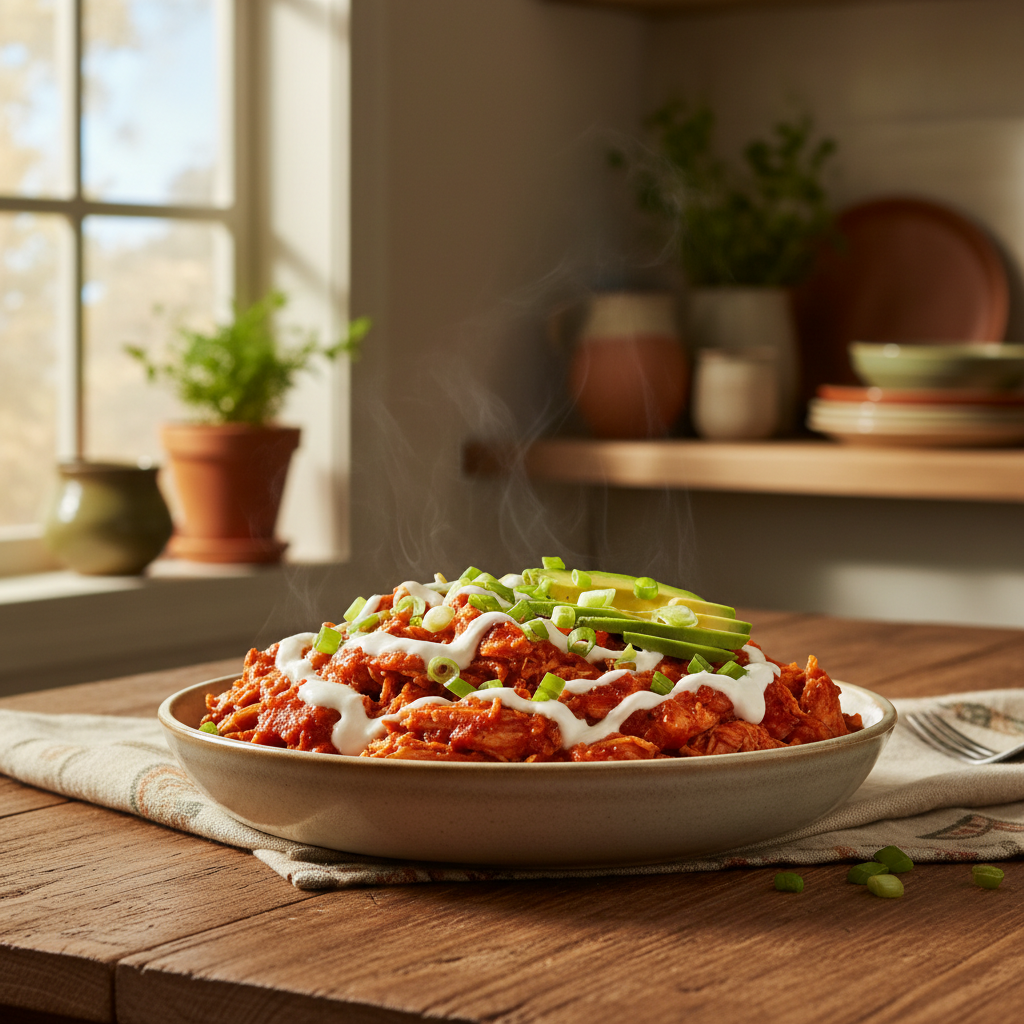
We all have those nights where the craving for something spicy and savory hits hard. You want the satisfaction of wings, but maybe without the mess or the deep fryer. Or perhaps you’re just looking for a meal prep option that doesn’t taste like sad, repetitive leftovers by Wednesday. Enter the Buffalo Chicken Bowl.
This dish is the chameleon of weeknight dinners. It’s customizable, packed with protein, and carries that signature tangy heat that Buffalo sauce lovers adore. Whether you are trying to stick to a low-carb diet, need a hearty post-workout meal, or just want something delicious that comes together in under 30 minutes, this bowl delivers.
The beauty of “bowls” as a meal concept lies in their versatility. You layer flavors and textures—crunchy, creamy, spicy, and fresh—all in one vessel. In this guide, we’ll walk through how to build the ultimate Buffalo Chicken Bowl, from choosing your base to mastering the sauce, along with variations to keep things interesting.
The Anatomy of a Great Chicken Bowl
Creating a satisfying bowl isn’t just about throwing ingredients together; it’s about balance. A truly great chicken bowl hits four main notes: the base, the protein, the toppings, and the sauce. When these elements work in harmony, you get a meal that feels restaurant-quality right in your own kitchen.
1. Choosing Your Base
The base sets the stage for the rest of the bowl. This is where you can easily adjust the meal to fit your dietary needs.
- Rice: White or brown rice is the classic choice. It soaks up the extra sauce beautifully. For a bit more flavor, try cooking your rice in chicken broth instead of water.
- Quinoa: If you want a protein boost and a nuttier texture, quinoa is excellent. It holds up well against the strong flavor of Buffalo sauce.
- Cauliflower Rice: For the low-carb or keto crowd, riced cauliflower is the way to go. Sauté it with a little garlic and olive oil to get rid of the raw vegetable taste.
- Greens: Turn it into a salad bowl by using chopped romaine, kale, or spinach as your foundation. This adds a refreshing crunch that cuts through the richness of the chicken.
- Roasted Potatoes: For a heartier “comfort food” vibe, try a base of crispy roasted sweet potatoes or russet potatoes.
2. The Star of the Show: The Chicken
You can’t have a Buffalo Chicken Bowl without the chicken. The goal here is tender, flavorful meat that is completely coated in sauce.
Method A: The Shredded Slow Cooker Route
This is the easiest method for meal prep. Place boneless, skinless chicken breasts in a slow cooker with a splash of chicken broth and your favorite hot sauce. Cook on low for 6-7 hours. The result is meat that falls apart with a fork and absorbs every ounce of flavor.
Method B: Pan-Seared Bites
Cut chicken breasts or thighs into bite-sized cubes. Season them with salt, pepper, and garlic powder. Sear them in a hot skillet with a little oil until golden brown and cooked through. Toss them in Buffalo sauce immediately after cooking. This method gives you a nice texture contrast.
Method C: The Shortcut
Pressed for time? Grab a rotisserie chicken from the grocery store. Shred the meat while it’s still warm and toss it in your sauce. It’s a five-minute solution that tastes like you spent an hour cooking.
3. The Buffalo Sauce
While store-bought sauce works fine in a pinch, making your own takes seconds and tastes infinitely better. The classic Buffalo sauce ratio is simple: two parts hot sauce (usually Frank’s RedHot) to one part melted butter.
For a standard batch, combine 1/2 cup of hot sauce with 1/4 cup of melted butter. Add a dash of garlic powder and a splash of white vinegar to round out the acidity. Whisk until smooth. If you want it spicier, add a pinch of cayenne pepper.
Essential Toppings for Texture and Flavor
Once you have your base and your saucy chicken, it’s time to accessorize. Toppings are what turn a simple dish into a complex, satisfying meal.
The Cooling Elements
Buffalo sauce is aggressive. You need something creamy to cool down the palate.
- Avocado: Slices of ripe avocado add a buttery richness that balances the vinegar in the hot sauce.
- Dressing: Ranch or Blue Cheese dressing is non-negotiable for many. A drizzle over the top ties everything together.
- Greek Yogurt: For a lighter option, plain Greek yogurt seasoned with dill and lemon juice mimics the tang of ranch without the extra calories.
The Crunch Factor
Texture fatigue is real. Avoid a “mushy” bowl by adding crunchy vegetables.
- Celery and Carrots: These are the traditional sides for wings, so it makes sense to chop them up and put them directly into the bowl.
- Cucumber: Diced cucumber adds a burst of hydration and freshness.
- Red Onion: Thinly sliced raw red onion provides a sharp bite. If raw onion is too strong for you, try pickling it in vinegar and sugar for 30 minutes first.
- Corn: Fire-roasted corn kernels add a touch of sweetness that pairs surprisingly well with the heat.
The Cheesy Finish
crumbled blue cheese is the authentic choice, offering a pungent, salty kick. However, if blue cheese isn’t your thing, shredded cheddar, Monterey Jack, or feta cheese are fantastic alternatives.
Meal Prep Tips for Success
Chicken bowls are among the best options for meal prepping. They reheat well (mostly) and can be assembled in advance. Here is how to keep them fresh for the week ahead:
- Store Cold Items Separately: If you are using a base that needs to be reheated (such as rice or quinoa), pack your cold toppings (avocado, cucumber, and dressing) in a separate small container. This prevents warm cucumbers and hot avocado, which nobody wants.
- Sauce on the Side: While the chicken should be tossed in sauce, keep extra sauce and dressing on the side until you are ready to eat. This prevents the rice or greens from getting soggy.
- Wait to Slice the Avocado: Avocado turns brown quickly once exposed to air. Slice it fresh right before eating, or squeeze plenty of lime juice over pre-sliced pieces to slow down the oxidation process.
- Cool Before Lidding: Let your cooked chicken and grains cool completely before putting the lid on your meal prep containers. Trapping steam inside creates moisture, which leads to soggy food and faster spoilage.
Frequently Asked Questions
Can I make this vegetarian?
Absolutely. You can swap the chicken for roasted chickpeas, crispy tofu cubes, or even roasted cauliflower florets. Toss any of these in the Buffalo sauce just like you would the chicken.
How long do these bowls last in the fridge?
If stored in airtight containers, the cooked components (chicken and rice) will last 3 to 4 days in the refrigerator. Fresh veggies should ideally be consumed within 2-3 days for maximum crunch.
Is Buffalo sauce keto-friendly?
Yes, traditional Buffalo sauce made from hot sauce and butter is naturally low in carbohydrates and sugar, making it a staple for keto diets. Just check the label on store-bought bottles to ensure they haven’t added thickeners or sugars.
What if I don’t like spice?
You can tone down the heat by increasing the butter-to-sauce ratio or adding a bit of tomato sauce to the Buffalo mixture. Alternatively, use a BBQ sauce instead for a BBQ Chicken Bowl variation.
Bringing It All Together
The Buffalo Chicken Bowl is more than just a convenient dinner; it’s a masterclass in flavor balancing. It proves that you don’t need complicated recipes or hours of simmering to create a meal that is healthy, hearty, and exciting.
By mastering the basics of the base, the protein, and the toppings, you unlock endless possibilities for your weekly menu. So next time you’re stuck on what to cook, skip the takeout menu and build a bowl instead. Your taste buds (and your wallet) will thank you.
Meta data
Meta title
The Ultimate Guide to Making Perfect Buffalo Chicken Bowls
Meta description
Craving spicy comfort food? Learn how to build the perfect Buffalo Chicken Bowl with our guide to bases, toppings, and meal prep tips.